 Self-cycleTM IVF



-
-
-
 Infertility Counselling
-
 Female Infertility Treatment
-
 Andrology Treatment
-
 Fertility Enhancing Surgeries - Female
-
 Fertility Enhancing Surgeries - Male
-
 Endoscopy Treatment
-
 IUI Treatment
-
 IVF Treatment
-
 ICSI Treatment
-
 Advance IVF Solutions
-
 Embryology
-
 Vitrification Egg, Embryo, Sperm Freezing
-
 Preimplantation Genetic Testing (PGT)
-
 Donation Program Embryo / Egg / Sperm
-
 Self-cycleTM IVF
-
-
-
-
-
What Are the Causes of Male Infertility? Key Factors to Consider

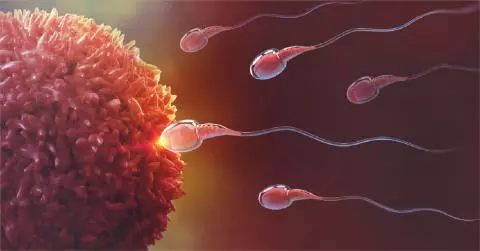
Infertility is a problem that affects one in five couples. Around 45% of infertility cases reported are attributed to male infertility. The inability of a man to cause pregnancy in a fertile female is called male infertility. It is a condition formed due to low sperm count, blockage or abnormal sperms. It is curable to an extent while in some cases fertilisation can be done with the help of assistive reproductive processes. One in twenty men tends to have low production of sperms while only one in hundred have no sperm production at all.
To cause successful fertilisation, there should be:
- Production of healthy sperm
- Successful transfer of sperm to semen
- High sperm count for better offs of fertilisation
- Movement of motility of sperms is important to ensure fertilisation
Causes of male infertility are varied and range from environmental causes, medical causes and lifestyle choices. Medical causes of male infertility are listed below:
- Varicocele: Swelling in the veins that drain the testicle is called varicocele. This is often attributed to high heat exposure of the sperms causing the unsuccessful production of healthy sperm.
- Infection: Infections can lead to inflammations which may result in the blockage of epididymis and testes.
- Ejaculation Issues: Improper ejaculation can cause infertility as well. Retrograde ejaculation is such a case where the semen is ejaculated into the bladder. Spinal cord injuries and similar damages can cause ejaculation issues as well.
- Tumors: Cancers and non-malignant tumors can affect fertility by impacting the hormone- producing pituitary glands.
- Undescended Testicles: Men with testicles that fail to descend from the abdomen into the scrotum are found to have low fertility.
- Hormone Imbalances: Disorder of the testicles or hormonal imbalances can cause infertility. Low testosterone levels can cause this.
- Defects of tubes that transport sperm or absence of vas deferens can cause failure of transfer or sperm cells from the testes.
- Chromosome Defects: Genetic defects in males such as chromosome mutation can cause infertility due to low or abnormal sperm production.
Related Blog: Understanding the Key Reasons for Male Infertility
Other Factors
Other medical causes include sexual intercourse related issues, medications and prior surgeries in certain cases.
Overexposure to heat, toxins, and chemicals can cause a lower sperm count. The environmental factors that contribute to male infertility are listed below:
- Exposure to industrial chemicals
- Heavy metal exposure
- Radiation or X-rays
- Overheating the testicles
When overexposure to these elements occurs, sperm count can be temporarily or permanently reduced. Overheating can be due to extended use of gadgets or frequent visits to the sauna. This heat disrupts the optimal temperature for sperm production and can result in loss of sperm cells and low production.
Explore a comprehensive male fertility test
Male infertility can also be caused due to lifestyle and other causes. Habits such as alcohol usage, drugs, smoking, and conditions such as stress, depression, and overweight can also cause male infertility. Avoiding these habits and lifestyle changes can help prevent infertility issues to an extent. Occupations that involve prolonged sitting such as welding and truck driving can also be a probable cause for male infertility.
Male infertility can contribute significantly to a couple’s difficulty in conceiving. According to Dr Apurva Satish Amarnath, Nova IVF, both partners should undergo evaluation rather than assuming infertility is a female concern. Male fertility issues may include erectile dysfunction, premature ejaculation or problems with sperm count, movement and quality. Conditions such as diabetes, high blood pressure and stress may also contribute to some sexual difficulties. A sperm evaluation can assess concentration, motility and quality, helping doctors understand the possible cause and plan appropriate treatment. Seeking medical advice early can help identify the underlying problem and determine suitable treatment options for the couple.